## Why It Works
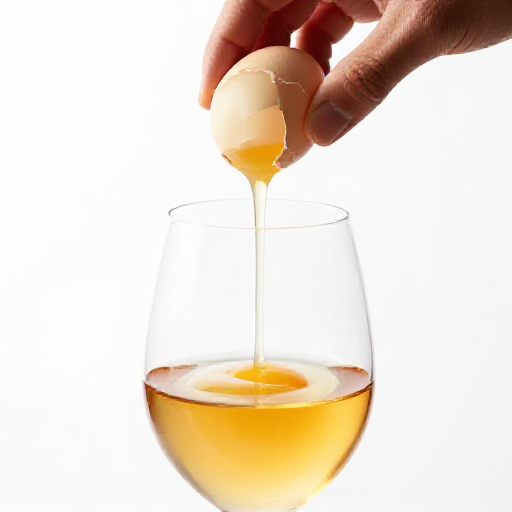
Red wine contains tannins — polyphenolic compounds that come from grape skins, seeds, and oak barrels. Tannins create astringency and bitterness in young wines and can make them taste harsh. Egg white proteins (particularly albumin and globulins) are positively charged at wine's acidic pH. Tannins are negatively charged. Opposite charges attract, and when egg whites are introduced to the wine, they bind to the tannins and form large aggregates — clumps of protein-tannin complexes that are too heavy to stay suspended. They sink to the bottom of the barrel as sediment (called lees) and are removed when the wine is racked (transferred to a clean vessel).
## The Full Story
Egg white fining is one of the oldest winemaking techniques in recorded practice, appearing in ancient Roman texts and referenced throughout medieval European winemaking manuals. The technique is still standard practice in Bordeaux, Burgundy, and other traditional wine regions. High-end producers sometimes specify the use of free-range or local eggs as a nod to provenance.
The ratio is typically 1 to 3 egg whites per barrel of wine (about 60 gallons). The whites are beaten to a light foam to distribute the protein, then poured into the barrel and mixed in. Over 2 to 4 weeks, the protein-tannin flocs settle completely. The wine is then racked off the sediment and the cleared wine continues aging or is bottled.
The result is a wine with smoother texture, reduced astringency, and greater clarity. The technique selectively removes harsh tannins while leaving the wine's flavor, color, and remaining structure intact. Most wines fined with egg white contain no detectable egg protein in the final product — but those with egg allergies should check labels, as a small number of producers do not fine or use alternative agents.
Modern alternatives include bentonite clay (for white wines), isinglass (fish-derived), and synthetic protein-based finings. Egg white remains preferred for fine red wines because it's gentle and selective — it doesn't strip flavor compounds the way some other fining agents can.
## Pro Tips
- Natural and biodynamic winemakers often skip fining entirely, preferring to let wines self-clarify over extended aging. These wines may be hazy and contain natural sediment.
- If you brew beer at home, egg white can be used to fine beer in the same way, reducing chill haze and harsh bitterness from certain hops.
- Winemakers use yolks for nothing in this process — the yolks are separated out and disposed of (or sold), and only the whites go into the wine.
## When to Use This
Context for understanding fine wine production, labels that read "unfined and unfiltered," or why some wines are suitable for vegans and others are not.