## Why It Works
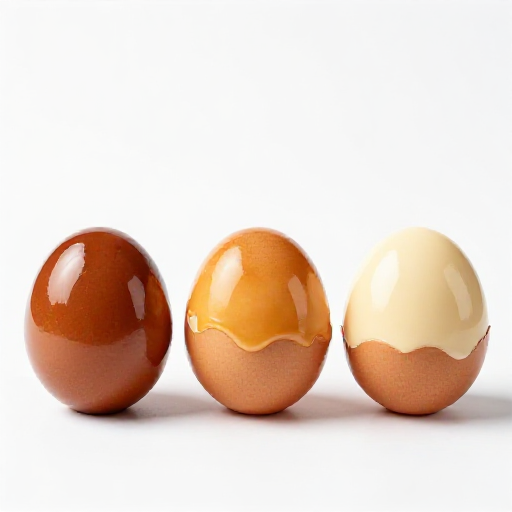
The browning in baked goods comes from two reactions: caramelization of sugars and the Maillard reaction between proteins and sugars. Egg yolk is rich in fat, protein, and emulsifiers — it produces deep, burnished browning and a glossy, rich-looking surface. Egg white has almost no fat and its proteins brown differently, producing a lighter, crisper finish that stays more matte. Whole egg splits the difference. The fat content of the wash is what drives the gloss level; the protein content drives the browning depth.
## How to Do It
1. **Yolk-only wash**: Whisk 1 egg yolk with 1 tsp water or cream. Use for croissants, enriched dinner rolls, pies — anything you want to look deeply golden and glossy.
2. **Whole egg wash**: Whisk 1 whole egg with 1 tbsp water or milk. All-purpose — good for hand pies, turnovers, savory pastries.
3. **White-only wash**: Whisk 1 white with 1 tsp water. Use for bagels, pretzels, crackers — where you want a sheen but not color, or a crisp surface.
4. Apply with a pastry brush in thin, even strokes just before baking. Avoid getting wash on the cut edges of laminated dough (croissants, puff pastry) — it seals the layers and prevents rise.
## Pro Tips
- Milk or cream brushed on pastry also produces browning (milk sugars caramelize), but without the gloss of egg. Good for a rustic, matte look.
- Adding a pinch of sugar to any egg wash accelerates browning in a cool oven.
- Leftover egg wash keeps refrigerated for 2 days. Don't waste it — use it to seal filled pastries or add a second coat.
## When to Use This
Any time you're baking pastry, bread, or pie and want a deliberate surface finish. The default "crack an egg, brush it on" approach misses the nuance. Knowing which wash to use makes the difference between home-baker results and professional results.