## Why It Works
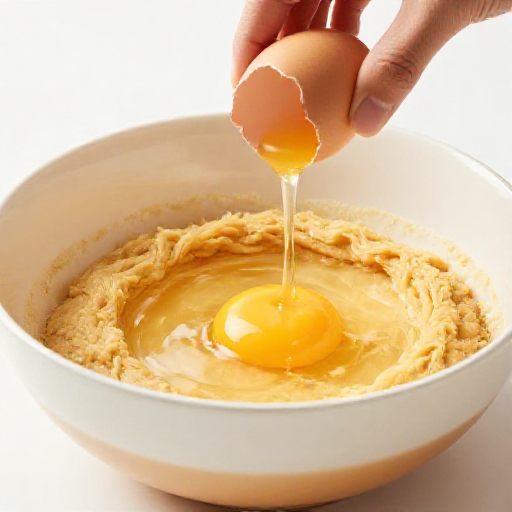
Cookie texture is largely determined by the ratio of fat to water in the dough. Egg whites are mostly water and protein — they tighten gluten and add lift, producing a cakier, more structured cookie. Egg yolks are mostly fat, lecithin (an emulsifier), and protein — they add richness and chewiness without contributing much water. By adding an extra yolk, or replacing a whole egg with two yolks, you shift the fat-to-water ratio toward fat. Less gluten development, more tenderness, better chew.
## How to Do It
1. Take your standard cookie recipe and identify the egg count.
2. Replace one whole egg with two yolks. If the recipe calls for 2 eggs, use 1 whole egg + 1 extra yolk.
3. Mix as normal. The dough may be slightly stiffer — this is expected and fine.
4. Bake as directed. You may find a slightly longer bake time is needed because the yolks' fat slows browning.
## Pro Tips
- This works especially well in chocolate chip cookies, shortbread-style cookies, and snickerdoodles.
- Save the separated white for meringues, a face mask, or freeze it in an ice cube tray.
- Brown butter + extra yolk is a particularly effective combination: the browned milk solids add nutty flavor, the extra yolk adds richness. Together they push a cookie from good to very good.
## When to Use This
When your cookies are turning out cakier than you want, or when you want to upgrade a standard recipe toward a bakery-style result. Also a useful tweak when testing a new recipe — try it with and without the extra yolk and compare.