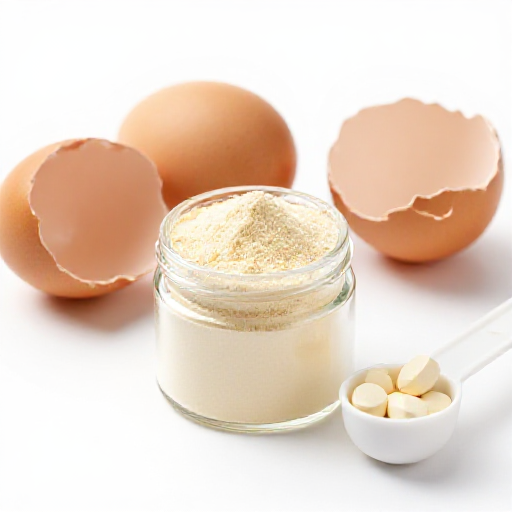
## Why It Works
Eggshell is predominantly calcium carbonate (approximately 94%). Commercial calcium carbonate supplements — Tums, Caltrate, and most store-brand calcium supplements — use the same compound. The body absorbs calcium carbonate best in an acidic environment (ideally taken with food or with a small amount of acid like lemon juice or vinegar), which is also why eggshell calcium has somewhat variable bioavailability depending on how it's taken. Research has found that eggshell powder performs comparably to pharmaceutical-grade calcium carbonate in absorption studies.
## How to Apply This
1. Collect eggshells and rinse thoroughly to remove any egg residue.
2. Boil in water for 10 minutes to sterilize and remove membrane residue.
3. Spread on a baking sheet and dry in a 200°F oven for 20 to 30 minutes.
4. Let cool completely, then grind to a very fine powder. A coffee grinder produces the best result — the finer the powder, the better the absorption.
5. Store in an airtight container in a cool, dry place.
6. Typical dosage: 1/2 teaspoon (about 400mg elemental calcium) per day, taken with food and a few drops of lemon juice.
7. Mix into yogurt, smoothies, soups, or juice — it has very little flavor.
## Pro Tips
- Don't take more than 1 teaspoon per day without medical guidance. Excess calcium can cause kidney stones and other issues.
- The membrane should be removed (it comes off during the boiling step) — it contains other compounds and proteins that change the character of the supplement.
- This is most useful if you're dairy-free, vegetarian, or otherwise not getting adequate dietary calcium.
## When to Use This
As a supplemental calcium source if you're dairy-free, if a doctor has indicated calcium supplementation is appropriate, or simply to make use of shells you'd otherwise discard. Always discuss with a healthcare provider before using as a regular supplement, especially if you have kidney disease or take medications.