## Why It Works
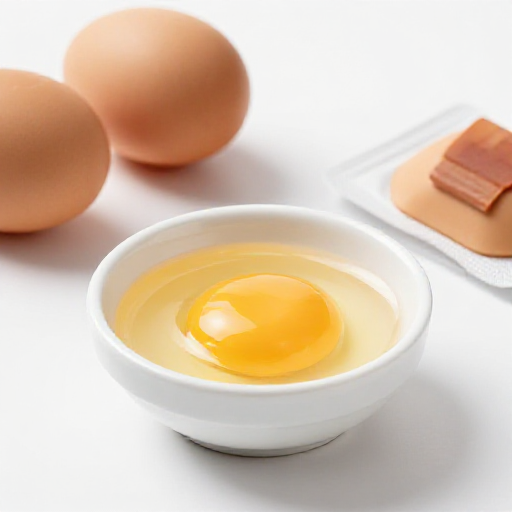
Cold egg white provides two simultaneous effects on a minor burn: the cold temperature (straight from the fridge) provides immediate vasoconstriction and pain relief similar to a cold compress, and the protein film acts as a temporary barrier that keeps the burned area moist and protected from air contact. Air on a burn dramatically increases pain — covering the wound reduces stimulation of nerve endings. The albumin in egg white may also have mild anti-inflammatory properties at the burn site.
## How to Apply This
1. For first-degree burns only — redness, mild swelling, no blistering, no broken skin.
2. Immediately cool the burn under cool (not cold) running water for 10 minutes first. This is the primary first aid step.
3. Crack an egg and separate the white. Use cold egg white straight from the fridge.
4. Apply a thin layer to the burned area using clean fingers or a soft cloth.
5. Allow it to form a film. As the white warms from your skin heat, reapply a fresh layer.
6. Do not wrap tightly over the egg white — air should be able to circulate.
7. Seek proper medical evaluation for anything beyond a very minor surface burn.
## Pro Tips
- There is a small risk of Salmonella from raw egg white on broken or compromised skin. This is a low-probability risk for a minor surface burn, but it's worth noting.
- Do not use on second-degree burns (blisters), third-degree burns (any penetrating injury), or burns covering a large area.
- Butter, toothpaste, and ice are common folk remedies for burns that are harmful — egg white is one of the less damaging folk approaches, but cold water remains the evidence-based first step.
## When to Use This
When you've burned your hand on a pan and don't have a proper burn dressing available. As an immediate comfort measure while you assess the severity and decide if medical care is needed. Not a replacement for burn treatment, but a reasonable emergency measure.