## Why It Works
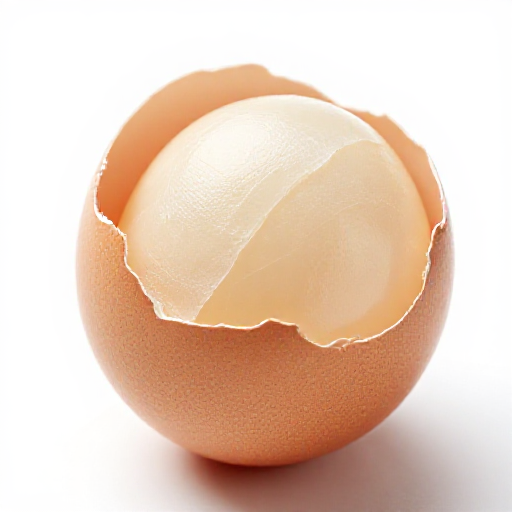
The inner shell membrane is a biologically active material composed primarily of collagen fibers, elastin, and proteins including hyaluronic acid. It's the egg's primary barrier against bacterial invasion and moisture loss. Applied to a wound, it creates a semi-permeable cover that keeps the wound moist (which accelerates healing), allows gas exchange, and provides a physical barrier against contamination. The collagen content also has wound-supportive properties — the same reason collagen dressings are used in clinical wound care for chronic wounds.
## How to Apply This
1. Crack an egg as cleanly as possible.
2. Immediately after cracking, peel the thin transparent membrane away from the inside of the shell. It will come off as a thin, slightly elastic sheet.
3. Clean the wound with clean water first.
4. Apply the membrane wet side down (the side that was touching the egg) directly over the cut or scrape. Press gently.
5. Smooth out air bubbles by pressing from the center outward.
6. Leave it. The membrane will dry in 5 to 10 minutes and adhere to the skin.
7. Once dry, it stays in place and acts like a second skin.
8. Replace if it lifts or if the wound needs cleaning.
## Pro Tips
- This works on minor cuts, scrapes, blisters, and small burns.
- Do not use on deep wounds, puncture wounds, or anything that needs medical attention. This is first aid for minor injuries, not a substitute for proper wound care.
- If the membrane dries too quickly before you can apply it, dampen it with a few drops of clean water to restore flexibility.
## When to Use This
Paper cuts, minor kitchen knife nicks, shallow scrapes, cracked cuticles, small blisters. Particularly useful when you're in the kitchen and have just cracked eggs anyway — the membrane is right there.