## Why It Works
The shell and its inner membrane form a physical barrier between the cooked egg and the refrigerator environment. Once you peel the egg, the cooked white is directly exposed to air, humidity changes, and odor molecules from other foods. Cooked egg white is particularly porous and absorbent — it picks up refrigerator smells fast and dries out, becoming rubbery. The shell prevents both. Even a cooked shell with no bloom provides meaningful protection.
## How to Do It
1. Hard-boil your eggs and cool them in an ice bath.
2. Store unpeeled in a carton or covered container in the fridge.
3. Label with the boil date — cooked eggs and raw eggs look identical in a carton, and this is not a mystery you want to solve with your nose at 7am.
4. Use within 2 weeks.
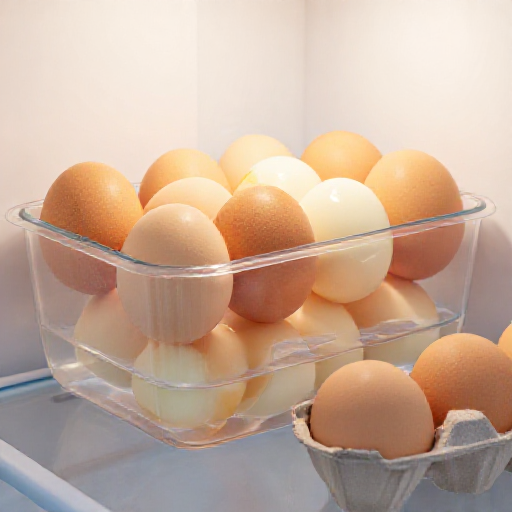
5. If you need to peel in advance: store peeled eggs submerged in a bowl of cold water, covered, in the fridge. Change the water daily. Use within 5 days.
## Pro Tips
- Write the boil date directly on the shell in pencil. A quick pencil mark saves you the guessing game.
- If a peeled egg feels slimy, it's past its prime. The sliminess is bacterial biofilm forming on the cooked white surface.
- Soft-boiled eggs do not keep the same way — the runny yolk goes bad faster. Eat soft-boiled eggs the same day.
## When to Use This
Meal prep: hard-boil a batch on Sunday, keep them unpeeled in the fridge, grab and peel through the week. Faster and more reliable than peeling all at once and watching them go rubbery by Thursday.