## Why It Works
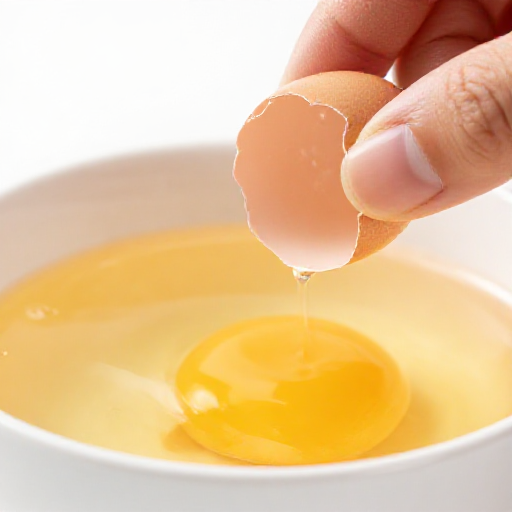
Eggshell is porous and has a slightly rough surface. Dry fingers have low surface adhesion to the shell — you push the fragment around instead of picking it up. A wet fingertip creates a thin film of water between your skin and the shell, and surface tension makes that film act like a weak adhesive. The fragment lifts out cleanly instead of sliding away.
## How to Do It
1. Before you start cracking, or as soon as you spot a shell fragment, dip one fingertip briefly into the bowl of egg (or just lick it — same effect).
2. Touch the wet fingertip lightly to the shell fragment. Don't press or grab — just contact.
3. Lift straight up. The fragment comes with it.
4. Flick it away or rinse your finger.
## Pro Tips
- Don't use the shell half to scoop out fragments — this approach works sometimes but more often pushes the piece further into the white. Use the wet finger method every time.
- If the fragment is very small and keeps eluding you, tilt the bowl so the liquid pools to one side, concentrating the fragment, then go in with the wet finger.
- Works equally well in a hot pan — a quick flick from a wet fingertip gets the shell out before it cooks into the white.
## When to Use This
Any time a fragment gets in, which will happen even with perfect flat-surface cracking technique. It's also handy when separating yolks — shell fragments in egg whites are invisible until you're piping meringue through them, so you want them gone immediately.