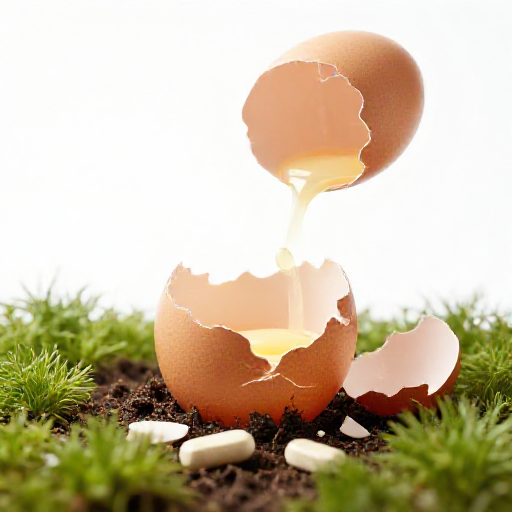
## Why It Works
Eggshells are approximately 94% calcium carbonate, the same compound as agricultural lime. Calcium is an essential plant macronutrient involved in cell wall formation, root development, and nutrient transport within the plant. Calcium deficiency manifests as blossom-end rot (dark, sunken spots on the bottom of tomatoes, peppers, and squash), tip burn in leafy greens, and stunted growth. Adding calcium carbonate to soil also raises pH in acidic soils, which improves nutrient availability for most vegetables.
## How to Do It
1. Save and dry eggshells. Rinse first to prevent odor; dry completely in a low oven (200°F for 20 minutes) or air dry.
2. Crush finely — the finer the better. A coffee grinder produces powder; a bag and rolling pin produces irregular pieces.
3. Work crushed shells into the top 1 to 2 inches of soil around plants. For heavy clay soil, dig in deeper.
4. For new beds: mix 1 cup of crushed shells per square foot of soil before planting.
5. For established plants: top-dress around the root zone and water in.
6. Reapply at the start of each growing season.
## Pro Tips
- Powdered eggshells become available to plants within weeks. Coarsely crushed shells may take a full growing season or longer. Match your crush size to your timeline.
- Pair with compost for best results — the organic matter in compost helps plants access the calcium.
- Don't overdo it. Too much calcium carbonate can raise soil pH excessively, locking out other nutrients like iron and manganese.
## When to Use This
At the start of every growing season in vegetable beds, especially before planting tomatoes, peppers, squash, or any calcium-hungry crops. Also as a preventive treatment if you've seen blossom-end rot in previous seasons.