## Why It Works
Slugs and snails move by muscular contraction across a mucus trail. The sharp, irregular edges of crushed eggshells create an uncomfortable surface that the soft underside of a slug is reluctant to cross. The shells don't create an impenetrable barrier — a determined slug can cross them — but they significantly reduce traffic across the zone. There's also some evidence that the calcium carbonate in shells is mildly irritating to slug skin on contact, which reinforces the physical deterrence.
## How to Do It
1. Dry and crush eggshells to irregular pieces — aim for pieces roughly the size of a fingernail. Don't powder them; you need the jagged edges.
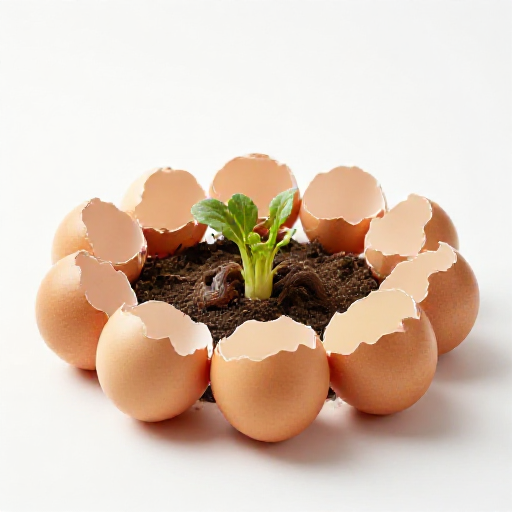
2. Create a ring around each vulnerable plant, about 2 inches wide and continuous with no gaps.
3. Press the shells slightly into the soil surface so they don't blow away in wind or wash away in light rain.
4. After heavy rain, the sharp edges dull and shells may shift. Refresh by adding new shells and turning the existing ones.
## Pro Tips
- This works best as a barrier for hostas, lettuce, strawberries, and other slug favorites.
- Combine with copper tape for a stronger deterrent. Copper gives a mild electric shock to slugs and snails.
- Coffee grounds can be added to the shell ring for additional deterrence — slugs avoid caffeine.
## When to Use This
In spring and fall when slug and snail populations peak, and particularly after wet weather when they're most active. Set the barrier up when you first plant vulnerable seedlings — before damage starts is better than after.