## Why It Works
Calcium carbonate dissolves slowly in neutral water, but more readily in mildly acidic water. A long soak extracts calcium ions into the water, creating a calcium-rich liquid that can be applied directly to plant roots for faster uptake than waiting for dry shells to break down in soil. Liquid fertilizers generally act faster than solid ones because nutrients are already in a soluble form that roots can absorb directly, without needing soil microorganisms to break down the material first.
## How to Do It
1. Crush dry eggshells — the finer the crush, the more surface area, the more extraction.
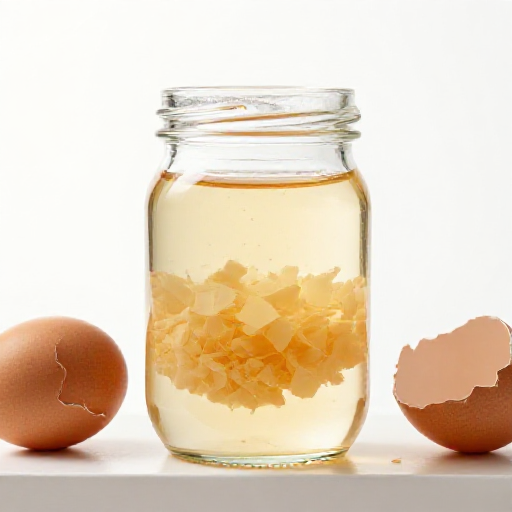
2. Pack into a quart jar, filling it about halfway.
3. Fill with water. Optional but effective: add 1 to 2 tablespoons of raw apple cider vinegar to acidify the water.
4. Cap loosely (gases can build up) and leave in a cool, dark location for 1 to 2 weeks.
5. After steeping, strain out the shells through a fine mesh strainer or cheesecloth.
6. Dilute the liquid 1:10 with plain water before applying to plants. Undiluted can be too concentrated.
7. Water directly onto the soil at the base of plants. Avoid foliar application.
## Pro Tips
- The steeping liquid may smell faintly sulfuric or mineral. This is normal.
- Store strained liquid in the fridge for up to two weeks, or make fresh batches.
- For a quick version: dissolve 1 teaspoon of powdered eggshell in 1 quart of water with a few drops of vinegar. Stir, let settle 10 minutes, and pour off the clear liquid to use.
## When to Use This
When you see signs of calcium deficiency (blossom-end rot, tip burn) and need a faster response than dry shell amendment can provide. Also good as a regular supplement for container tomatoes and peppers through the growing season.