## Why It Works
As an egg spoils, bacteria break down the proteins and sulfur-containing amino acids inside, producing hydrogen sulfide and other sulfur compounds. These have a characteristic rotten-egg smell that is impossible to miss. The float test measures air cell size, which correlates with age but not directly with spoilage — an egg can be old without being rotten, and can technically float while still smelling and tasting fine. The sniff test detects the actual chemical signature of decomposition.
## How to Apply This
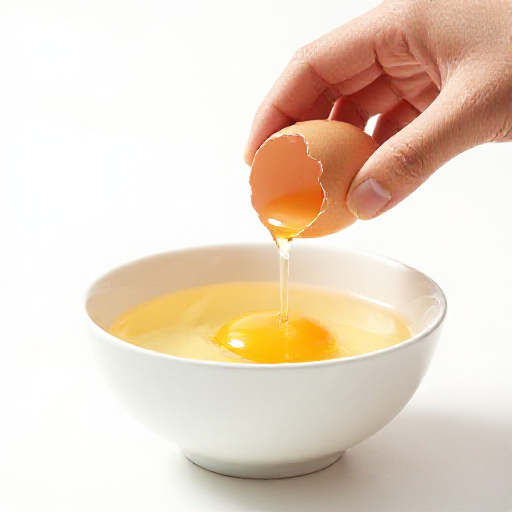
1. When you have a suspect egg, crack it into a separate small bowl (never directly into your recipe).
2. Lean in and smell. You will know immediately. A bad egg smells like sulfur, like a struck match, like something deeply wrong. There is no ambiguity.
3. If it smells fine, examine the white: a very thin, watery white that spreads across the bowl is old but not spoiled. A normal-looking egg that smells fine is safe.
4. If there is any sulfur smell at all, discard the egg.
## Pro Tips
- Some people can detect a faint sulfur smell before cracking, at the shell. This works but is less reliable than post-crack sniffing.
- A slightly off but not rotten smell — sour, or just "eggy" in a wrong way — is also a discard signal. Trust your nose.
- The "crack into a separate bowl first" rule applies even to eggs you're confident about when you're adding them to a precious batter or dish. It costs five seconds and can save a cake.
## When to Use This
Whenever you're uncertain about an egg's quality, regardless of what the float test said. Also as standard practice when using eggs from an unknown source, older eggs from your fridge, or farm eggs without a pack date. The sniff test is your final authority.